


























Most casino reviews lead with bright bonus banners and ignore the numbers that actually affect your bankroll. This review takes the opposite route. It looks at licensing, expected value, bonus conditions, payout mechanics and the practical checks worth making before a deposit leaves your account.
Licensing and Player Protection
The operator sits outside the Australian licensing system, so players are dealing with an offshore framework rather than local consumer protection. That does not make every offshore site a bad choice, but it does change the risk profile. If a payment is delayed or a bonus dispute turns ugly, domestic dispute-resolution bodies may not be able to help. The sensible response is to read the terms before signing up, keep copies of transaction records and treat support responses as part of the product.
The site appears to run on a shared white-label platform, which is common among newer offshore operators. In practice, that means the lobby, cashier and bonus engine may feel similar to other sites using the same backend. There is nothing sinister about that on its own; it simply means you should judge the operator by its licence, terms and payment handling rather than by the polish of its homepage. A 24/7 live chat and email setup is useful, but the absence of a phone line matters for players who prefer to resolve problems verbally.
RTP and House Edge
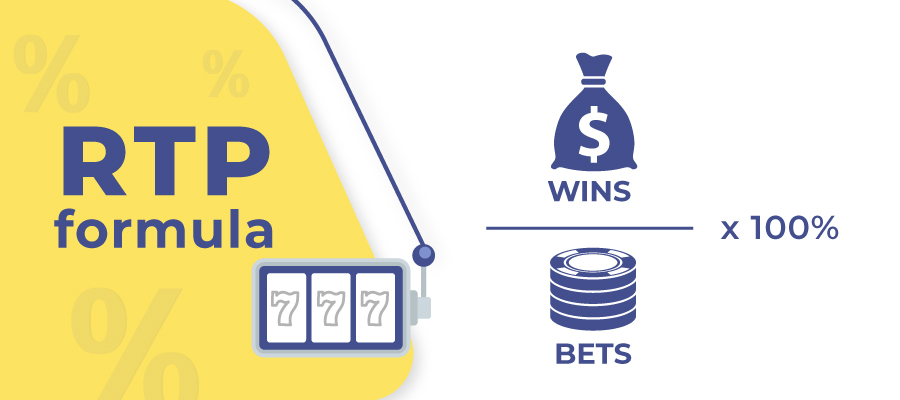
Return to player is the long-run percentage of stakes that a game pays back. A 96% RTP sounds player-friendly until you translate it into house edge: the casino keeps about 4% of every dollar staked over a very large number of plays. In a short session, luck can overwhelm that figure completely, which is why RTP is a baseline rather than a promise. It tells you more about the game's theoretical pricing than about what will happen in your next hundred spins.
The practical move is to check the RTP on the exact game you intend to play, not the lobby average. Two titles sitting side by side can have different theoretical returns, and bonus terms may exclude or down-weight the better-paying options. RTP also is not the same as volatility. A high-RTP game can still be a wild ride, while a lower-volatility game may suit a longer, steadier session. Players who care about value should look at both numbers and then decide how much variance they can tolerate.
The Real Cost of a Welcome Bonus
The welcome package may advertise multiple deposit matches, hundreds of free spins and a headline value in the thousands. The figure that matters is not the maximum; it is the wagering requirement attached to the bonus funds. If you must wager many times the bonus amount before withdrawing, the expected value can shrink quickly, especially when game weighting, max-bet rules and expiry windows are factored in. A generous-looking offer can become expensive if you chase it with the wrong games.
Free spins deserve the same scrutiny. Their winnings may arrive as bonus money rather than cash, and they may carry a separate wagering requirement. Before opting in, ask how much must be wagered, which games count fully, what the maximum bet is and whether withdrawing early forfeits the bonus. Check whether the first deposit carries the best terms and whether later deposits become tighter. If those answers are hard to find, the bonus is probably not as friendly as the banner suggests.
Payouts, KYC and the First Withdrawal
Withdrawal speed depends heavily on the payment method. Crypto tends to clear fastest, sometimes within hours, while card and bank transfers usually take business days after internal approval. The first cashout is the real test. Identity verification is standard, and it can add extra time before money moves. Keep documents ready, make sure the account name matches your payment method, and avoid depositing from an account that belongs to someone else.
Daily, weekly and monthly withdrawal limits also deserve a look. A high per-transaction ceiling means little if the monthly cap is low for the size of your play. Support is another practical checkpoint: live chat may answer quickly, but you want to know whether the agent can actually resolve a cashier issue rather than paste a generic reply. Test support with a simple question before you have a real problem. A fast, clear answer to a basic query tells you more than a glossy homepage ever will.
A Practical Player Checklist
Treat the cashier and the game help screen as part of the review, not an afterthought. Confirm the licence and complaint route, check the RTP on the exact game you plan to play, and read the bonus terms line by line. Set a session budget before you deposit, decide in advance what profit would make you stop, and keep screenshots of transaction confirmations. If the site offers a large game library, resist the urge to hop around randomly; pick a few titles and understand their pricing and volatility first.
Also compare the payment methods you actually use. A method that is convenient for deposits may be slow or unavailable for withdrawals, and mismatch rules can cause unnecessary delays. If you are using crypto, double-check network details and wallet addresses. If you are using cards or bank transfer, expect more verification steps. Speed is nice, but predictability matters more when real money is involved.
Closing Summary
A math-first approach will not make an offshore casino risk-free, but it will make you harder to impress with big bonus numbers. Licensing tells you where you stand if something breaks, RTP gives you a long-run baseline, and bonus terms reveal the real price of the offer. Payout speed and identity checks are the practical tests that separate a smooth experience from a frustrating one. Do the arithmetic before you deposit, not after.

0 Comments
No comments yet. Be the first to share your experience.